
Engineered microbes have long promised a new way to treat disease. By navigating to disease sites, producing complex therapeutics on demand, sensing pathological conditions, and even offering probiotic benefits, these living systems open the door to highly targeted, adaptive treatment strategies. They can also be manufactured at scale, potentially lowering costs and expanding access.
Although the concept isn’t new – research has been ongoing for over 30 years, with clinical trials for more than two decades – no therapy has yet reached full clinical approval. The reasons are multifaceted: ensuring safety often weakens microbial performance, regulatory pathways are still maturing, clinical trials are costly, investment can be volatile, and large-scale manufacturing can challenge strain stability.
Still, the field is moving faster than ever. Publications, startups, and translational efforts have surged, and even the World Economic Forum named Engineered Living Therapeutics a Top Emerging Technology of 2025. At the Leibniz-INM, the Saarland University and the HIPS, researchers are helping drive this momentum with a unique material-encapsulation strategy that aims to improve safety, robustness, and usability across applications.
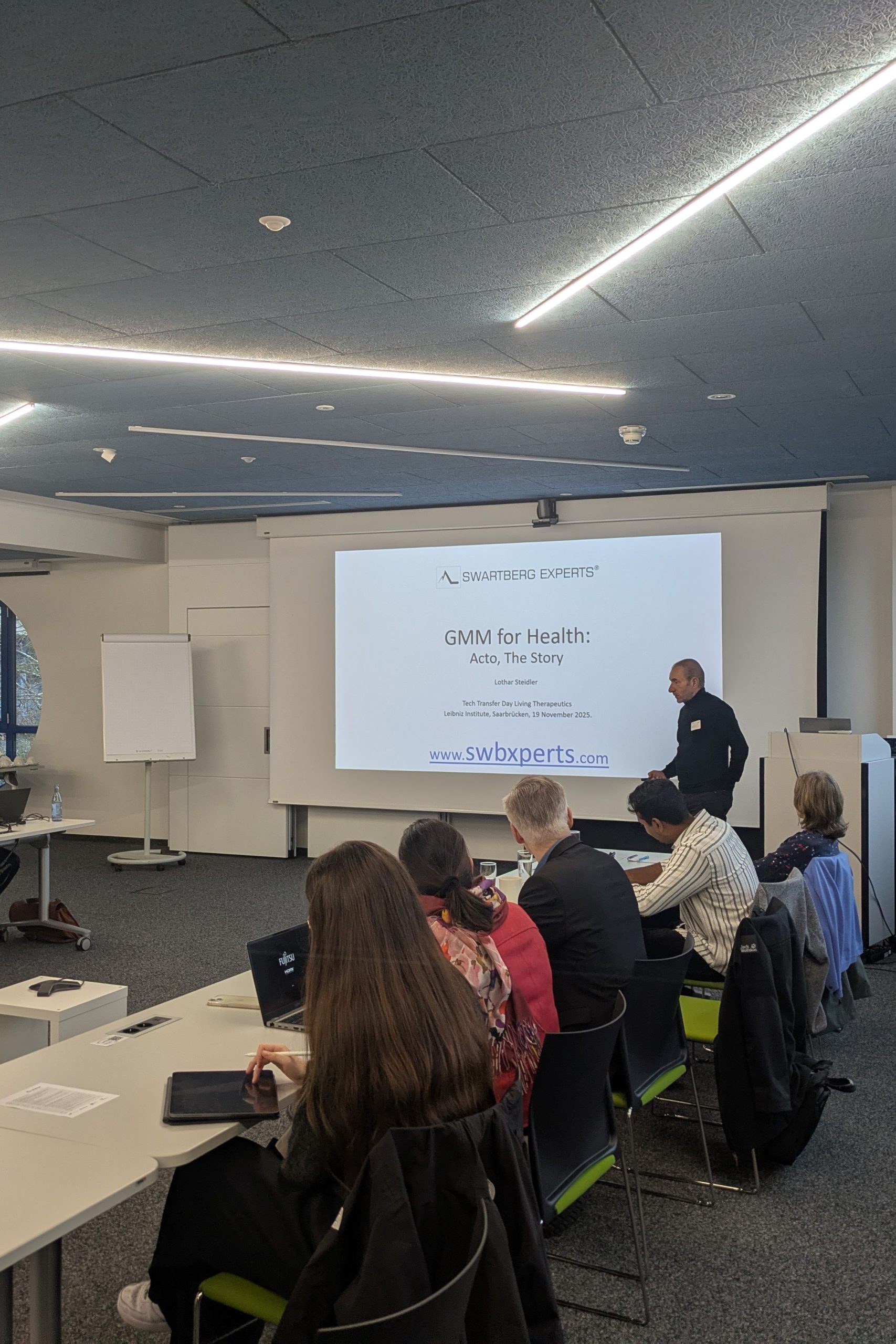
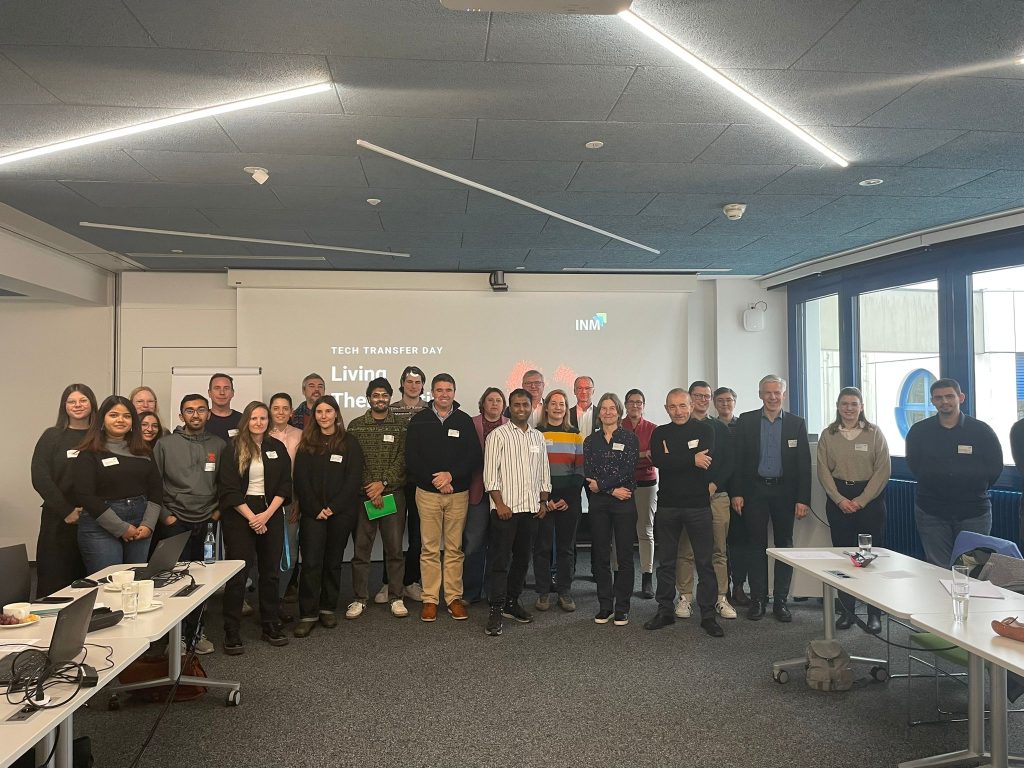
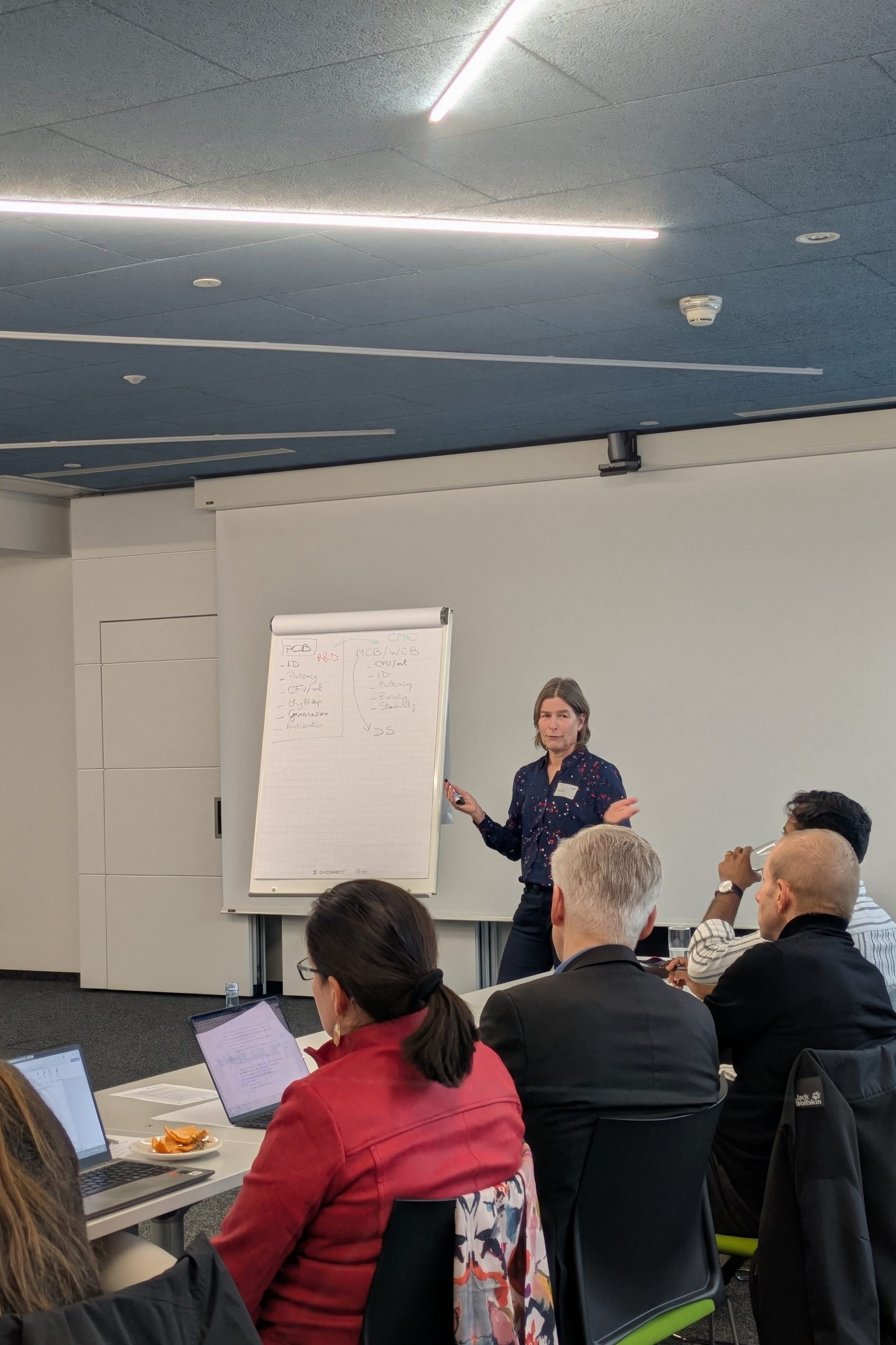
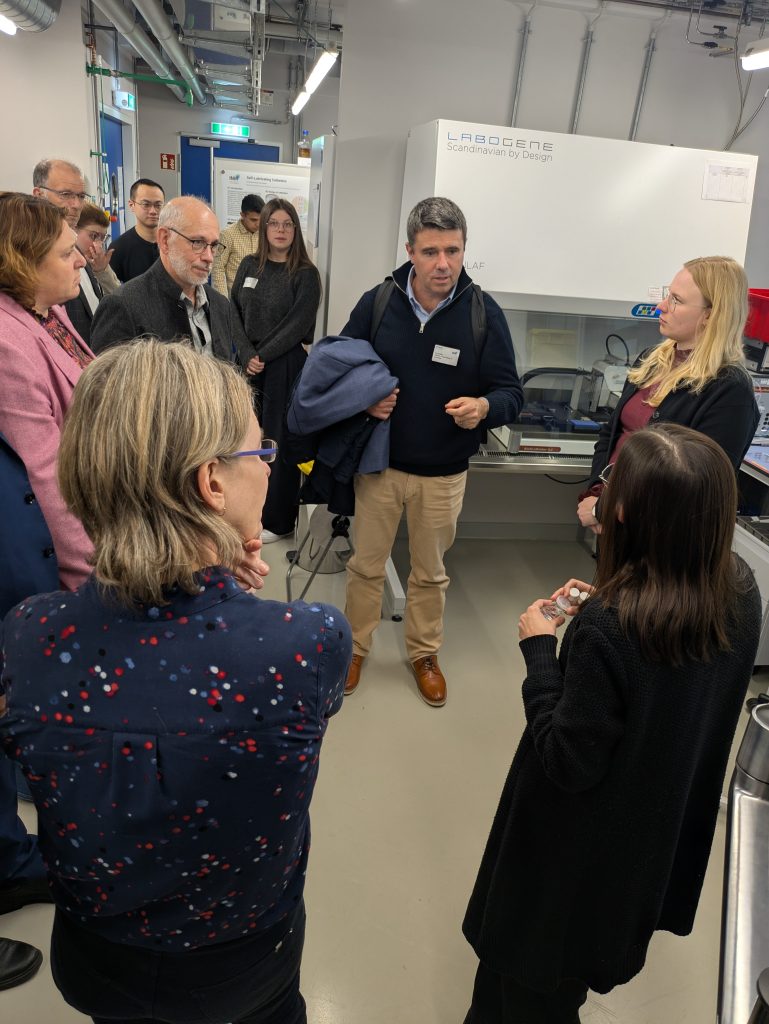
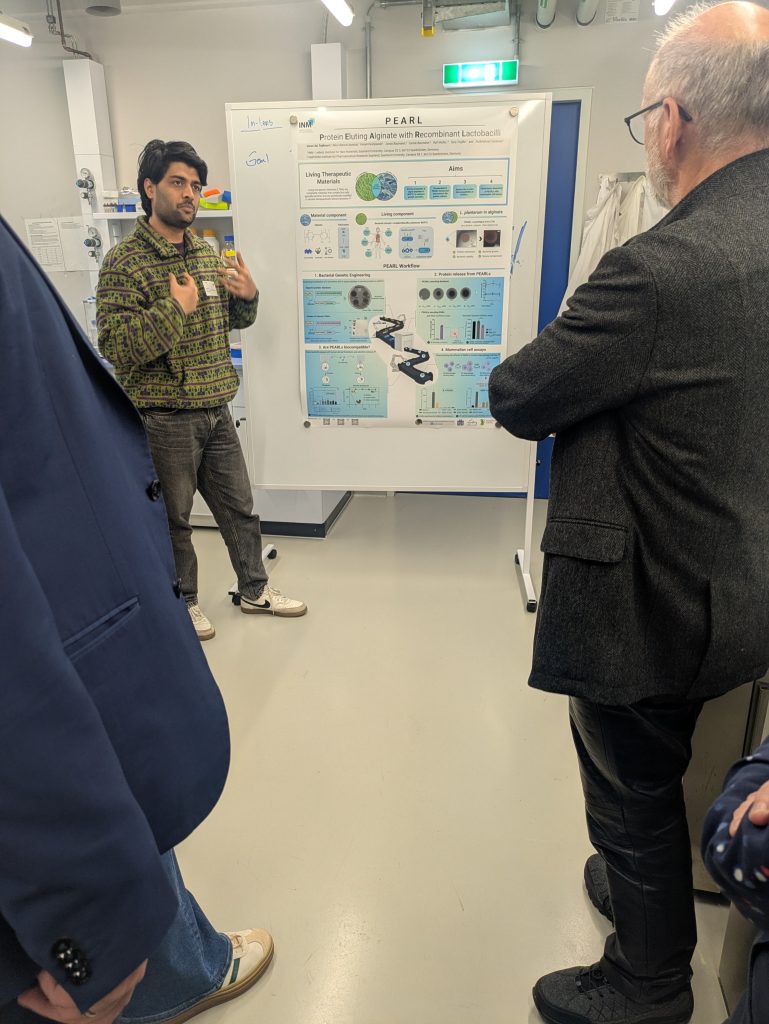
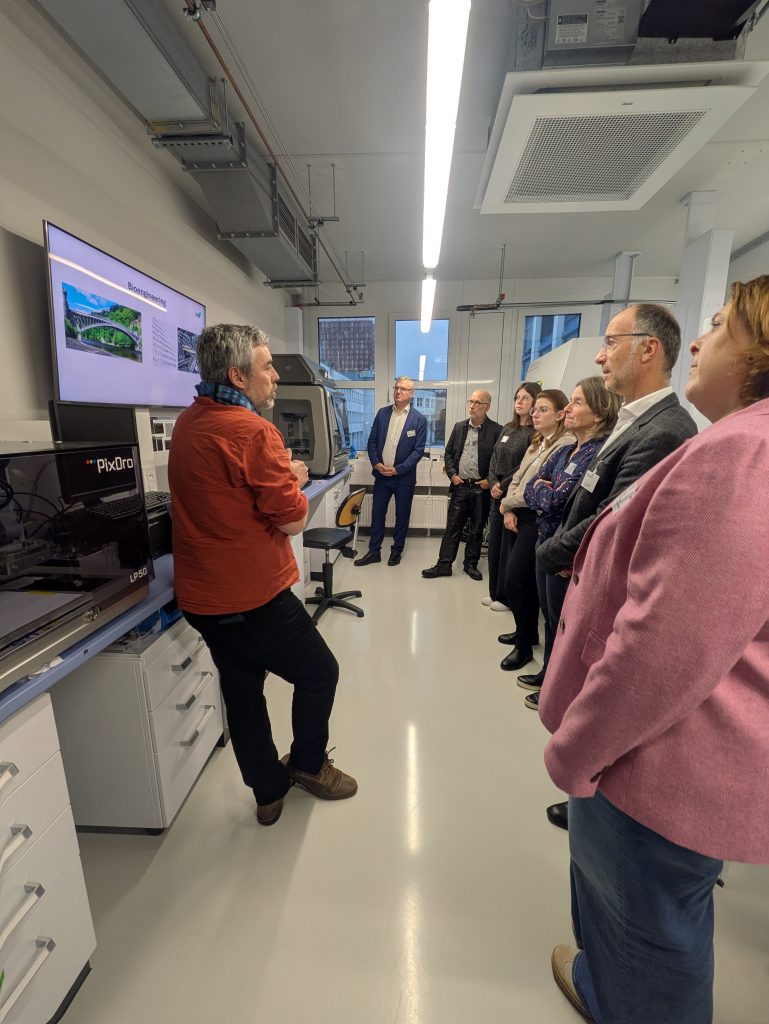
Key pioneers – including Lothar Steidler and Sabine Neirynck, who helped establish the field itself – shared decades of insight. Round-table discussions moderated by Max G. Ostermeier and Avi Schroeder tackled the practical realities of bringing Living Therapeutics to patients, from regulation and manufacturing to funding and market adoption. Participants also explored INM’s own advancements: engineered drug-producing strains, anti-inflammatory lactobacilli, living contact lenses, in vitro disease models, and automated workflows to accelerate development.
A question that resonated throughout the symposium still lingers:
Which impactful – and perhaps seemingly impossible – disease could Living Therapeutics one day be designed to cure? The answer will shape the next chapter of this rapidly evolving field.